


The Taj Mahal is beautiful throughout the year, but during the monsoon season, it transforms into something truly magical. The fresh rain, cloudy skies, cool breeze, and lush greenery surrounding the monument create a breathtaking atmosphere that feels straight out of a dream. If you are planning an Agra trip during the rainy season, experiencing the monsoon beauty of the Taj Mahal can be unforgettable.
Many travelers prefer winter visits, but monsoon offers a unique charm that makes the monument look even more romantic and peaceful.
Why the Taj Mahal Looks Beautiful During Monsoon
The monsoon season gives the Taj Mahal a fresh and vibrant appearance. Rain washes the marble surface, making the white structure look cleaner and brighter.
Dark clouds in the background create a dramatic contrast against the shining white marble, making the monument appear even more stunning. The surrounding gardens also become greener, adding extra beauty to the overall view.
The cool weather during rainy days can also make sightseeing more comfortable compared to the hot summer months.
Best Time to Visit the Taj Mahal During Monsoon
The monsoon season in Agra generally lasts from July to September. During this time, mornings and evenings are considered the best for visiting the Taj Mahal.
Early mornings often offer pleasant weather and fewer crowds, while cloudy skies can create beautiful photography conditions.
If you are lucky, you may even witness light rain around the monument, adding a magical touch to your visit.
Monsoon Photography at the Taj Mahal
For photography lovers, monsoon is one of the best times to capture unique Taj Mahal pictures.
Beautiful photography moments include:
- Rain clouds behind the monument
- Reflections after rainfall
- Green gardens around the Taj Mahal
- Romantic cloudy backgrounds
- Fresh and vibrant marble views
Soft natural lighting during cloudy weather also helps create stunning photos without harsh sunlight.
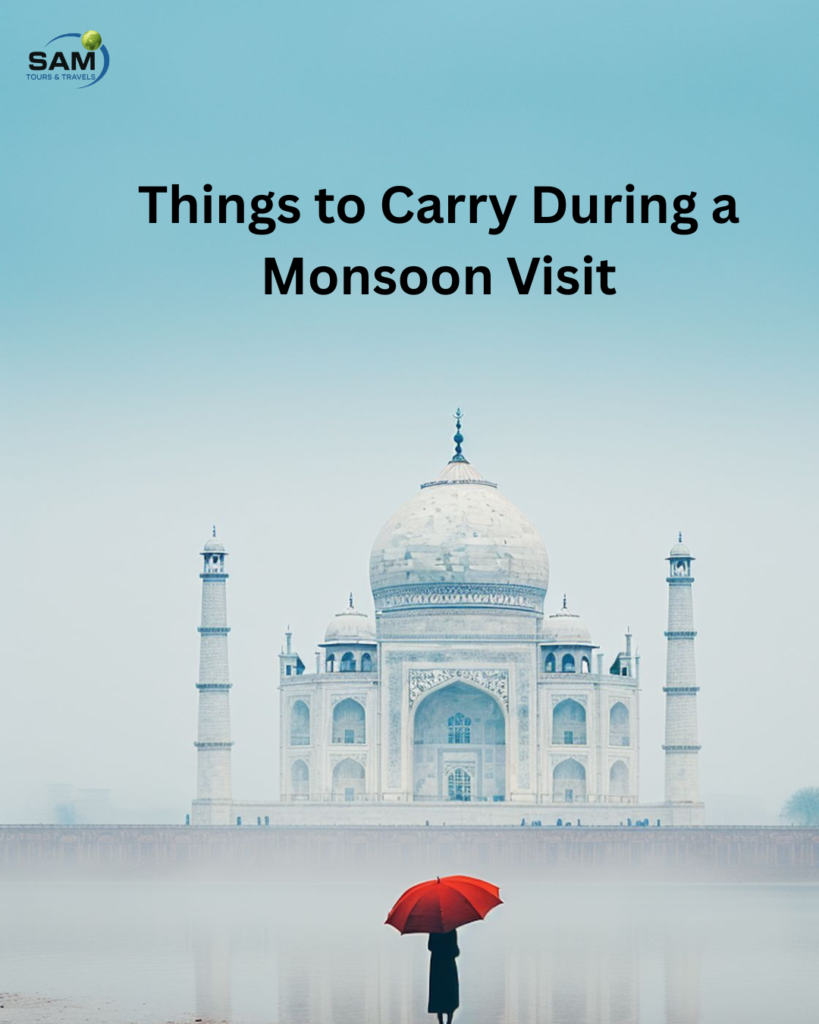
Things to Carry During a Monsoon Visit
If you are planning to visit the Taj Mahal during rainy weather, carrying a few essentials can make your trip more comfortable.
Recommended items:
- Umbrella or raincoat
- Comfortable waterproof footwear
- Light cotton clothes
- Waterproof phone cover
- Extra clothing if needed
Checking the weather forecast before your visit is also a good idea.
Advantages of Visiting the Taj Mahal in Monsoon
There are several reasons why travelers enjoy monsoon visits:
Less Crowd
Compared to peak tourist seasons, monsoon days may have fewer visitors, allowing a calmer experience.
Pleasant Weather
Cool winds and refreshing rain make walking around the monument more comfortable.
Stunning Views
Cloud-covered skies and greenery create some of the most beautiful views of the Taj Mahal.
Better Photography
Monsoon lighting often helps create dramatic and professional-looking photos.
Things to Keep in Mind
Although monsoon visits are beautiful, occasional heavy rain may affect sightseeing plans. Carrying proper rain gear and planning flexible travel timings can help avoid inconvenience.
Wet pathways can also become slippery, so comfortable footwear is recommended.
Final Thoughts
The monsoon beauty of the Taj Mahal offers a unique and refreshing experience that many travelers overlook. From dramatic cloudy skies to fresh greenery and peaceful surroundings, the rainy season adds a special charm to one of the world’s most famous monuments.
If you love nature, photography, and romantic travel experiences, visiting the Taj Mahal during monsoon might become one of your favorite travel memories.


Leave a Reply