

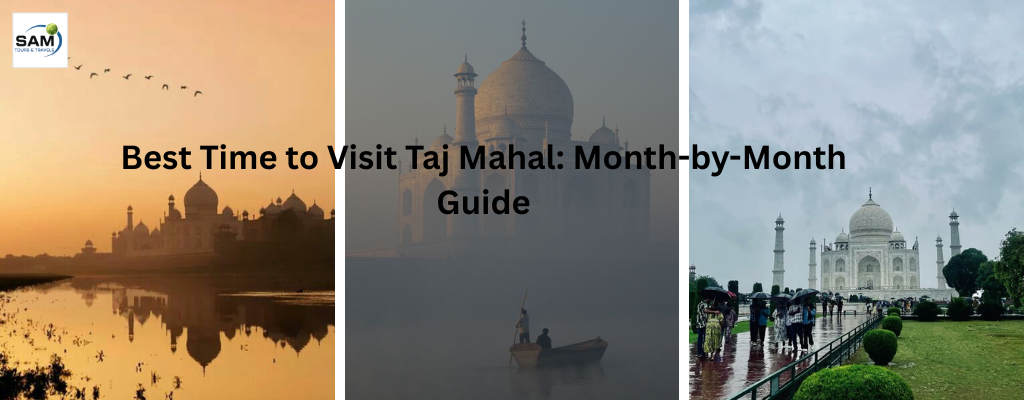
The Taj Mahal is beautiful throughout the year, but the experience changes depending on the season, weather, crowd levels, and photography conditions. If you are planning your trip to Agra, this month-by-month guide will help you choose the best time to visit the Taj Mahal.
January – Cold but Peaceful
January offers cool weather and comfortable sightseeing conditions. Early mornings can be foggy, which may affect visibility, especially during sunrise.
Best for: Peaceful visits and winter travel
Weather: Cold mornings and pleasant afternoons
February – Perfect Weather Begins
February is considered one of the best months to visit the Taj Mahal. The weather becomes pleasant, skies are clearer, and gardens look beautiful.
Best for: Photography and sightseeing
Weather: Cool and comfortable
March – Pleasant but Slightly Warm
March remains a good month before summer starts. The weather is still manageable, making morning visits enjoyable.
Best for: Family trips and comfortable travel
Weather: Pleasant mornings and mild afternoons
April – Summer Starts
Temperatures begin rising in April. Visiting during sunrise or early morning is highly recommended to avoid heat.
Best for: Early morning photography
Weather: Warm to hot
May – Very Hot Weather
May is one of the hottest months in Agra. Daytime temperatures can be extremely high, making afternoon visits uncomfortable.
Best for: Budget travelers and fewer crowds
Weather: Very hot
June – Hot with Monsoon Arrival
June remains hot, but occasional rain may start toward the end of the month.
Best for: Travelers looking for fewer tourists
Weather: Hot and humid
July – Monsoon Beauty Begins
Rainy season starts adding fresh greenery around the Taj Mahal. Cloudy skies create dramatic views and beautiful photography opportunities.
Best for: Romantic trips and unique photography
Weather: Rainy and cooler
August – Green and Beautiful
August is one of the prettiest monsoon months. The gardens become lush green, and the monument looks magical under cloudy skies.
Best for: Nature lovers and photographers
Weather: Rainy and pleasant
September – Monsoon Ends
September offers a mix of greenery and improving weather. Humidity starts reducing, making sightseeing more comfortable.
Best for: Peaceful visits and photography
Weather: Pleasant with occasional rain
October – Ideal Travel Season Starts
October is among the best months to visit the Taj Mahal. Weather becomes cooler, skies are clearer, and travel conditions improve.
Best for: Sightseeing and family trips
Weather: Comfortable
November – One of the Best Months
November offers perfect weather, comfortable temperatures, and clear views of the Taj Mahal.
Best for: Couples, tourists, and photography
Weather: Cool and pleasant
December – Winter Charm
December brings cool temperatures and festive travel vibes. Early mornings may be slightly foggy, but daytime weather stays pleasant.
Best for: Winter travelers
Weather: Cool and enjoyable

Which Month Is Best to Visit the Taj Mahal?
If you want the best overall experience, the ideal months are:
October to March – Pleasant weather, comfortable sightseeing, and excellent photography conditions.
If you love rain and greenery:
July to September – Perfect for enjoying the monsoon beauty of the Taj Mahal.
If you want fewer crowds and cheaper travel:
April to June – But plan early morning visits due to heat.
Final Thoughts
The best time to visit the Taj Mahal depends on what kind of experience you want. Winter months offer the most comfortable weather, while monsoon adds a romantic and magical atmosphere. No matter which month you choose, visiting during sunrise can make your Taj Mahal experience even more unforgettable.



Leave a Reply